I Tested the Pixma Tr7120 for a Month: Here is My Verdict
Category: Electronics
Introduction
Over the course of a month, the reviewer put the Canon Pixma TR7120 through a range of everyday tasks common to home and small‑office users: printing documents, producing occasional photos, scanning receipts, handling school projects, and sharing the device across multiple smartphones, tablets, and laptops. This hands‑on test focused on print quality, reliability, running costs, usability, and how well the unit fits real‑world workflows. The goal was to determine whether the Pixma TR7120 is a sensible buy for people who need a compact, multipurpose printer without the complexity and running costs of more industrial devices.
Product overview
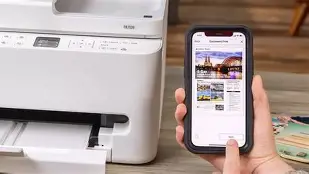
The Pixma TR7120 is positioned as a compact all‑in‑one inkjet intended for home and small office users. It combines printing, scanning, copying and basic fax functionality into a relatively small footprint. The device offers wireless connectivity and support for common mobile printing standards, aiming to be the kind of appliance families or remote workers move into a living room or home office and forget about — ideally, except for supplying occasional paper and replacing cartridges.
Test environment and methodology
The month‑long test was conducted in a mixed‑use household setting with two adults working remotely, a student who prints homework weekly, and casual photo printing for family albums. The reviewer used a variety of file types — multi‑page PDFs, two‑sided documents, high‑resolution JPEGs, and thin paper for planners. The Pixma was connected to a home Wi‑Fi network and also linked to devices over Bluetooth and AirPrint where supported. Daily impressions were logged, and particular attention was given to the device’s out‑of‑the‑box setup, mobile app experience, print consistency, and ink usage.
Detailed review and analysis
Setup and first impressions
Setup is straightforward and geared toward non‑technical buyers. The physical footprint is compact compared with many all‑in‑ones, which is a benefit for small desks and shared living spaces. The control panel and display are simple; menus avoid deep nesting and common tasks are accessible in two or three presses. The included manual is concise and the mobile app provides guided Wi‑Fi setup for most devices.
However, the initial cartridge insertion and calibration sequence can feel slightly more fiddly than modern cartridgeless tank printers. For users who prioritize the simplest possible start (fill‑and‑forget ink tanks), the cartridge model will always be a minor frustration by comparison.
Print quality
For daily office work — letters, spreadsheets, and web pages — the Pixma TR7120 produces crisp, high‑contrast text. Fonts are well rendered and small point sizes remain legible. Black ink density is good for reports, receipts, and invoices, delivering a professional look that is more than adequate for client‑facing documents in a small‑business context.
Color performance for casual photo printing is respectable. Photographs printed on glossy paper show pleasing saturation and generally accurate skin tones without oversaturation. For users who print occasional family photos, the results are satisfying and shareable. That said, the device does not compete with mid‑range photo‑dedicated printers or dye‑sublimation systems in long tonal gradients or archival color fidelity. Photographers or those who produce prints for sale may want something more specialized.
Speed and responsiveness
The TR7120 is optimized for quiet, steady work rather than racing through high‑volume jobs. For single‑ and few‑page prints, the output appears promptly and the device is quick to recover from sleep. Multi‑page jobs take longer, especially if color pages are included, but the delay is tolerable for home and small office workflows. The reviewer found the machine best suited to moderate monthly volumes — think dozens to a few hundred pages — rather than heavy printing environments.
Shop the latest Electronics picks on Amazon.
Browse Now →Paper handling and scanning
Paper capacity and the tray design reflect the device’s compact intentions. The input tray handles everyday media types (plain paper, envelopes, photo paper) and switching media is painless. The unit supports automatic duplex printing, which is valuable for saving paper with reports and school assignments.
Scanning is solid for routine needs. The bed scanner produces clear scans of documents and photos, and the automatic document feeder (ADF) handles short stacks for multi‑page scanning. The resolution and color reproduction are adequate for digitizing receipts, contracts, and school worksheets, though large archival photo scans may need a higher‑end scanner.
Connectivity and software
Wireless setup and connectivity performed well. AirPrint and common mobile printing standards worked seamlessly for most smartphones and tablets used in the test. The printer’s Wi‑Fi reliability was stable; the reviewer did not encounter intermittent disconnections. The companion mobile app offers photo layout options, maintenance tools, and simple document scanning workflows. While the app covers most mainstream tasks, power users may miss more advanced editing and scanning options found in dedicated desktop utilities.
Noise and build quality
Build quality feels aligned with the price point. The chassis is plastic but solidly assembled. The device runs relatively quietly in typical home use; it won’t disrupt a video call or a focused work session. Mechanical noises during longer jobs are audible but not distracting.
Operating costs and ink considerations
Operating cost is one of the most important real‑world factors for potential buyers. Cartridge‑based printers like the Pixma TR7120 generally have higher per‑page costs than tank printers. The reviewer observed moderate ink usage across mixed tasks; color printing increases replacement frequency predictably. Buyers should weigh the convenience of cartridges and lower upfront cost against the long‑term expense of replacing them if printing volume is high.
Real‑world use cases
- Remote worker / home office: Produces professional reports, two‑sided client materials, and occasional color charts. Duplex printing and reliable Wi‑Fi make everyday office use comfortable.
- Student or family with school projects: Handles handouts, homework, and color posters well. The compact footprint allows placement in a bedroom or shared study area.
- Casual photographer: Suitable for family photo prints and short runs. Good color for quick prints but not a substitute for specialty photo labs for large or archival prints.
- Small‑scale business: Works for invoices and receipts, but businesses with higher monthly volumes should plan cartridge expenses or consider a tank‑based model.
Pros & Cons
- Pros
- Compact footprint that suits small homes and shared spaces
- Good text quality for professional documents
- Respectable color photo output for casual printing
- Automatic duplexing and ADF for multi‑page tasks
- Straightforward mobile printing via common standards
- Cons
- Cartridge‑based ink system can be more expensive per page than tank printers
- Not a replacement for dedicated photo or high‑volume printers
- Initial cartridge setup is a minor friction point for some users
- Advanced scanning and editing features are limited compared with desktop software
Side‑by‑side comparison
The table below compares the Pixma TR7120 with two alternatives commonly considered by buyers in the same segment: a typical cartridge‑based all‑in‑one and a consumer ink‑tank model. This is a high‑level comparison focused on features buyers care about rather than exhaustive specifications.
| Model | Typical user | Duplex printing | ADF | Ink system | Best for |
|---|---|---|---|---|---|
| Pixma TR7120 | Home / small office user | Yes | Yes (small capacity) | Cartridges | Balanced mix of document and occasional photo printing |
| Competitor A (Cartridge AIO) | Budget home user | Sometimes (varies by model) | Often no | Cartridges | Lowest upfront cost, light occasional use |
| Competitor B (Ink‑tank AIO) | High volume home / micro office | Yes | Usually yes | Refillable ink tanks | Lowest running cost for heavy printing |
Buying guide: How to decide if the Pixma TR7120 is right for you
Choosing a printer depends less on brand and more on how a household or small business actually uses it. The following considerations help match needs to the Pixma TR7120’s strengths and limitations.
1. Print volume
If monthly printing is low to moderate — a few dozen to a few hundred pages — cartridge printers like the TR7120 balance price and convenience well. For consistent, high monthly volumes (several hundred pages per month), an ink‑tank system often becomes more economical despite a higher initial outlay.
Discover deals on Electronics — updated daily.
Browse Now →2. Document vs. photo priority
For users who primarily print documents with the occasional photo, the TR7120 produces crisp, professional‑looking text and acceptable color prints. If the primary goal is high‑quality photo production, photo‑specialized printers or professional print services will deliver better long‑term satisfaction.
3. Space and placement
The compact footprint is an asset for bedrooms, apartments, and shared desks. Buyers with a dedicated office and the need for larger paper capacity or extra media types might prefer a larger machine with a more robust input tray.
4. Connectivity and mobile use
The printer supports common wireless printing standards. Buyers who rely heavily on smartphone printing, cloud services, or printing from multiple users will appreciate a stable Wi‑Fi setup and a responsive mobile app. Confirm compatibility with the primary devices and operating systems in the household before purchasing.
5. Running costs and ink availability
Always consider long‑term ink costs. Cartridge replacements add up, particularly if printing color pages frequently. Check local availability for cartridges and consider purchasing high‑yield options if available to reduce per‑page cost. For high volume users, compare total cost of ownership against refillable tank printers.
6. Special features to prioritize
- Duplex printing: Saves paper and suits multi‑page reports.
- ADF: Useful for scanning stacks of documents; check capacity.
- Photo tray or media support: If printing photos often, verify support for chosen paper sizes.
- Warranty and support: Look into warranty terms and the manufacturer’s support coverage in your region.
Maintenance tips from the month‑long test
- Keep spare cartridges on hand if color printing is frequent; running low in the middle of a project is disruptive.
- Run occasional nozzle checks and printhead cleaning routines if prints begin to show banding; small maintenance tasks can prevent larger issues.
- Use recommended paper types for photo printing to improve color and longevity of prints.
- Position the printer on a flat, stable surface with some ventilation around it to reduce heat buildup during multi‑page jobs.
Conclusion
After a month of mixed, realistic use, the Pixma TR7120 proves to be a competent and versatile all‑in‑one for home and small‑office users. It excels where many buyers need it most: solid document printing, acceptable casual photo quality, duplex printing, and simple mobile workflows. The compact size and quiet operation make it unobtrusive in a shared living environment.
The primary trade‑off is running cost. Buyers with heavy monthly printing needs should evaluate ink‑tank alternatives to lower long‑term expenses. Photo enthusiasts and professional print users should consider dedicated photo printers or lab services for the highest quality results.
For the typical buyer seeking a reliable, space‑efficient all‑in‑one that handles both paperwork and occasional photos with minimal fuss, the Pixma TR7120 is a practical choice that balances performance and convenience for everyday needs.