I Switched to the Go 2 and Here is What Happened
The consumer electronics landscape is often dominated by the pursuit of more: more pixels, more processing power, more storage, and more complexity. However, every few years, a device enters the market that challenges this trajectory by focusing on a different metric: portability and frictionless integration into daily life. The Go 2 represents this shift. While the original iteration established the proof of concept for an ultra-compact, wearable imaging solution, the successor arrived with the promise of addressing the specific pain points of early adopters while maintaining the core identity of the product line. Transitioning to this device as a primary tool for documentation and content capture provides a unique perspective on where personal technology is heading. This article explores the nuances of that transition, evaluating how the hardware and software improvements translate to real-world utility for the modern tech enthusiast.
The Evolution of the Form Factor
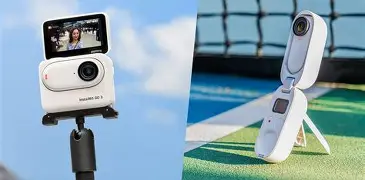
At first glance, the Go 2 seems almost impossibly small. It is a thumb-sized device that weighs less than an ounce, yet it houses a sophisticated array of sensors and processing chips. The transition from a traditional smartphone camera or a larger action camera to this form factor is jarring in the best way possible. The primary hurdle for most electronics in the "wearable" category is the social friction of using them. Large head-mounted displays or bulky chest-mounted cameras draw attention and can alter the behavior of people in the vicinity. The Go 2 minimizes this effect. Its diminutive size allows it to blend into clothing or be mounted in places that would be impractical for any other camera.
The mounting system is perhaps the most critical component of this ecosystem. Included in the box are several magnetic accessories that allow the device to be worn as a pendant, clipped to a hat, or stuck to metallic surfaces. For a user switching from a traditional setup, the freedom of being hands-free cannot be overstated. In an editorial context, this allows for a first-person perspective that feels more natural and less "produced." When the camera is at eye level or chest level, the resulting footage mimics human perception more closely than a handheld device ever could. This design philosophy prioritizes the experience of the moment over the technical perfection of the capture, though the Go 2 makes significant strides in the latter as well.
Detailed Product Analysis: Hardware and Internals
Powering this small frame is a sensor capable of capturing high-resolution video and photos with surprisingly wide dynamic range. While the device does not aim to compete with professional cinema cameras, its 1440p resolution is a significant step up from the standard 1080p found in many budget compacts. The increased resolution provides enough headroom for cropping and stabilization without losing the crispness required for 4K displays. The color science has also seen a refinement; the Go 2 tends toward a natural, vibrant profile that avoids the over-sharpened, digital look common in small-sensor electronics.
The "brain" of the device is housed in its charging case, which serves a triple purpose as a remote control, a tripod, and a secondary battery. This is where the engineering truly shines. By offloading the screen and complex controls to the case, the camera itself remains lightweight and heat-efficient. When folded, the case is barely larger than a standard earbud case, making the entire kit pocketable. This portability is the primary reason why a user might switch to the Go 2. The best camera is the one you have with you, and it is impossible to find an excuse to leave this one at home.
Stabilization and Software Integration
One of the most impressive feats of the Go 2 is its stabilization technology. Utilizing internal gyroscopes and sophisticated algorithms, the device produces footage that looks like it was shot on a mechanical gimbal. For a device that is often subjected to the vibrations of walking, running, or cycling, this software-side processing is essential. It allows for "Horizon Lock," a feature that keeps the video level even if the camera is tilted or rotated 360 degrees. This level of stability was previously reserved for much larger, more power-hungry devices.
The software experience extends to the companion mobile application. Switching to a device like this usually means dealing with a proprietary app for file transfers and editing. The Go 2 application uses an AI-powered editing suite that simplifies the process of turning raw clips into a cohesive narrative. For the average buyer, the hurdle isn't just taking the footage; it’s doing something with it later. By automating the highlight selection and syncing transitions to music, the ecosystem addresses the "digital hoarding" problem where thousands of clips sit unused on a hard drive.
Real-World Use Cases
To understand the impact of switching to the Go 2, one must look at specific scenarios where traditional electronics fail or feel cumbersome. Professionals in the culinary industry, for instance, have found the Go 2 to be an invaluable tool. Capturing a top-down view of food preparation typically requires a complex rig of tripods and boom arms. With the Go 2, a simple magnetic clip on a chef’s hat or apron provides the same perspective with zero setup time. This capability extends to craftspeople, mechanics, and artists who need to document their process without interrupting their workflow.
In the realm of travel and lifestyle, the device shines as a "memory capture" tool. Traditional cameras require the user to look through a viewfinder or a screen, effectively putting a wall between them and the experience. The Go 2 allows for "passive" recording. You can walk through a historic city or hike a mountain trail while the camera captures the highlights, allowing you to stay present in the environment. This shift from active photographer to passive witness is perhaps the most profound change for those who switch to this system.
Find top-rated Electronics products at great prices.
Shop Amazon →The Comparison: Go 2 vs. Traditional Compacts
When evaluating the Go 2 against more traditional action cameras or high-end smartphones, it is clear that they serve different masters. A smartphone offers better raw image quality and instant connectivity, but it requires at least one hand to operate and is fragile. A standard action camera offers longer battery life and a screen for framing, but it is noticeably heavier and more conspicuous. The Go 2 occupies the middle ground, sacrificing cinematic depth for extreme convenience and unique perspectives.
| Feature | Standard Smartphone | Go 2 | Pro Action Camera |
|---|---|---|---|
| Weight | 170g - 230g | 27g (Camera only) | 120g - 160g |
| Hands-Free Use | Requires Mounts | Native / Integrated | Requires Mounts |
| Discreetness | Low | High | Medium |
| Max Resolution | 4K / 8K | 1440p | 4K / 5.3K |
| Instant Editing | Manual | AI-Automated | Manual / Semi-Auto |
Pros and Cons of the Go 2
Transitioning to any new piece of technology involves a trade-off. While the Go 2 excels in portability and ease of use, there are technical limitations that prospective buyers must consider before making the switch. Below is a breakdown of the strengths and weaknesses observed during extended use.
- Pro: Unmatched Portability. The tiny footprint of both the camera and the charging case means it can be carried in a coin pocket or a small purse without the need for a dedicated camera bag.
- Pro: Versatile Mounting. The magnetic ecosystem is the most intuitive mounting solution on the market, allowing users to switch from a pendant mount to a tripod mount in seconds.
- Pro: Superior Stabilization. FlowState stabilization rivals professional rigs, making shaky handheld or wearable footage perfectly smooth and usable for social media or archives.
- Pro: Multi-Functional Case. The charging case is a masterclass in design, doubling as a remote control with an OLED screen and a set of fold-out legs for stationary shots.
- Con: Fixed Storage. The device relies on internal memory rather than an SD card. While available in 32GB or 64GB variants, users who record long sessions may find themselves needing to offload footage frequently.
- Con: Battery Life of the Camera. Because of its small size, the camera itself only lasts about 30 minutes of continuous recording. While the case provides several recharges, it is not suited for long-form bridge-to-bridge documentary filming.
- Con: Heat Management. Small electronics struggle with heat dissipation. In high-resolution modes or hot environments, the Go 2 can reach high temperatures, which may limit recording duration in extreme conditions.
Buying Guide: Is the Go 2 Right for You?
Deciding to switch to the Go 2 depends largely on your existing workflow and your goals for content capture. This device is not a replacement for a mirrorless camera or a flagship phone, but rather a specialized tool that excels where those devices fail. If you find yourself leaving your camera at home because it’s too heavy, or if you’ve missed capturing important moments because you were fumbling with a phone, this is the logical next step.
The Casual Documentarian
For parents, pet owners, and hobbyists, the Go 2 is almost perfect. It captures the world from the perspective of a child or a pet with ease. The ease of the AI editing app means that those who aren’t technically inclined can still produce high-quality videos to share with family and friends. For this group, the 32GB model is usually sufficient for short daily highlights.
The Content Creator
Social media influencers and vloggers can use the Go 2 to add "flavor" to their videos. It provides unique B-roll and point-of-view shots that are difficult to achieve with larger setups. The 64GB version is highly recommended for creators, as the higher bitrate and longer shooting sessions of professional work will fill up storage quickly. The ability to shoot in a circular format that can be cropped for both vertical (TikTok/Reels) and horizontal (YouTube) formats is a massive time-saver.
The Outdoor Enthusiast
For runners and cyclists, the Go 2 offers a lightweight way to record routes without the bulk of a chest harness. However, avid mountain bikers or extreme sports athletes should note the Go 2 is water-resistant, not fully waterproof to great depths without a housing, and it lacks the ruggedness of larger, armored action cameras. It is better suited for "lifestyle" adventure rather than high-impact sports.
Integration into the Modern Tech Ecosystem
Beyond the hardware, the Go 2 represents a larger trend in electronics: the decentralization of the camera. We are moving away from the idea that a camera must be a box held to the face. Instead, sensors are becoming modular components of our attire. The Go 2 integrates well with the current desktop and mobile ecosystem. It uses USB-C for charging and data, ensuring compatibility with modern laptops and power banks. The wireless connectivity (Wi-Fi and Bluetooth) is stable, allowing for a preview of the shot on a smartphone screen before recording begins.
One aspect often overlooked in product reviews is the longevity of the software. The manufacturers have been diligent in providing firmware updates that improve sensor performance and add new features, such as improved low-light processing. This support gives the buyer confidence that the device will remain relevant for several years, which is a key concern when purchasing specialized electronics.
Shop the latest Electronics picks on Amazon.
Shop Amazon →Addressing Common Concerns
Prospective buyers often worry about the durability of such a small device. While it feels delicate because of its weight, the construction is surprisingly robust. The lens is protected by a replaceable guard, which is a thoughtful inclusion. If the lens is scratched during a fall, the user can simply unscrew the protector and replace it, rather than having to buy a whole new unit. This modular approach to repairability is something more electronics manufacturers should adopt.
Another concern is the magnetic mount’s strength. There is an intuitive fear that the camera might fall off during vigorous activity. In testing, the magnets are exceptionally strong, especially when used with the dedicated clip or pendant. While it could be knocked off by a direct physical impact, it remains securely attached during normal movement, running, or even light jumping. The peace of mind this provides is essential for a wearable device.
Technical Specifications and Performance
To dive deeper into the performance, one must look at the bitrate. The Go 2 records at up to 80Mbps, which is impressive for its category. This high bitrate ensures that fine details—like the texture of a forest floor or the movement of water—are captured without excessive compression artifacts. The aperture is fixed at f/2.2, which is wider than many competitors, allowing for decent performance in medium-to-low light, though it will naturally struggle in dark nighttime conditions compared to a smartphone with a much larger sensor and computational night modes.
The audio quality is handled by an internal microphone that features wind-reduction software. While it is clear enough for voice memos and ambient sound, it won't replace a dedicated lapel mic for professional interviews. However, for the intended use case of vlogging and casual capture, the audio is balanced and lacks the "muffled" quality often found in waterproof casings. The duality of the device—being small enough to hide but powerful enough to produce professional-looking results—is its greatest achievement.
The Impact of the Switch
Switching to the Go 2 fundamentally changes the way one interacts with the world. It shifts the focus from the act of "taking a photo" to the act of "living an experience." In a world where we are often criticized for viewing life through a 6-inch glass screen, the Go 2 offers a compromise. It records the memory so you don't have to worry about missing it, but it stays out of the way so you can actually feel it.
The device is a testament to the fact that innovation doesn't always have to be about bigger numbers on a spec sheet. Sometimes, innovation is about making a device so small and so easy to use that it disappears into the background of our lives. The Go 2 succeeds in this mission. It is a refined, clever, and highly capable tool that earns its place in the pocket of any tech enthusiast or modern storyteller.
Conclusion
The transition to the Go 2 is more than just a camera upgrade; it is a shift in philosophy. By embracing the constraints of a smaller battery and fixed storage, users gain a level of freedom and creative flexibility that larger devices simply cannot provide. The hardware is a marvel of miniaturization, the software is genuinely helpful, and the mounting system is a benchmark for the industry. While it has its limitations—most notably in total recording time and heat management—these are small prices to pay for the unique perspectives it unlocks. For those who value spontaneity, portability, and the ability to capture life as it happens, the Go 2 is a transformative piece of electronics that sets a new standard for wearable technology.